Football Boot Rules: Which Boots Are Allowed in a Match?
Yes, almost any football boots are allowed — as long as the referee does not consider them dangerous. That single sentence is the heart of football boot regulations. Under IFAB Law 4, footwear is compulsory equipment, metal studs are perfectly legal when in good condition, and the referee has the final word. There is no official list of approved brands or banned stud shapes: nothing you wear may endanger you or anyone else on the pitch.
This guide breaks down exactly what that means — metal studs versus plastic, blades versus conical studs, firm ground vs soft ground boots, what referees check before kickoff, and the mistakes that can see you ordered off to change your footwear.
What the Laws of the Game Say About Boots
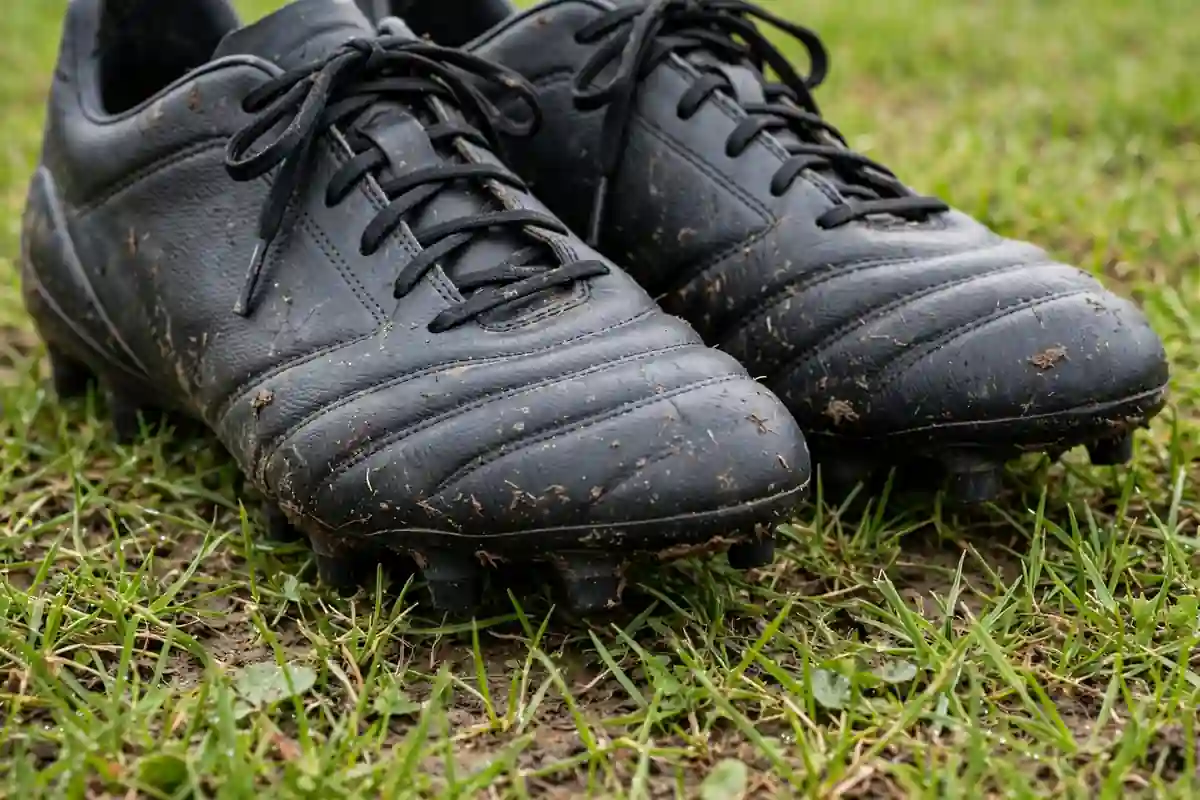
Football boot rules come from Law 4 of the IFAB Laws of the Game, “The Players’ Equipment.” It lists five compulsory items: shirt, shorts, socks, shin guards, and footwear. You cannot play barefoot — proper football footwear is required.
The most important line in the law is this: a player must not use equipment or wear anything that is dangerous. That one principle covers everything from sharp studs to broken soles. If you are new to the game, our basic rules for beginners explain how Law 4 fits into the bigger picture.
The referee inspects your boots
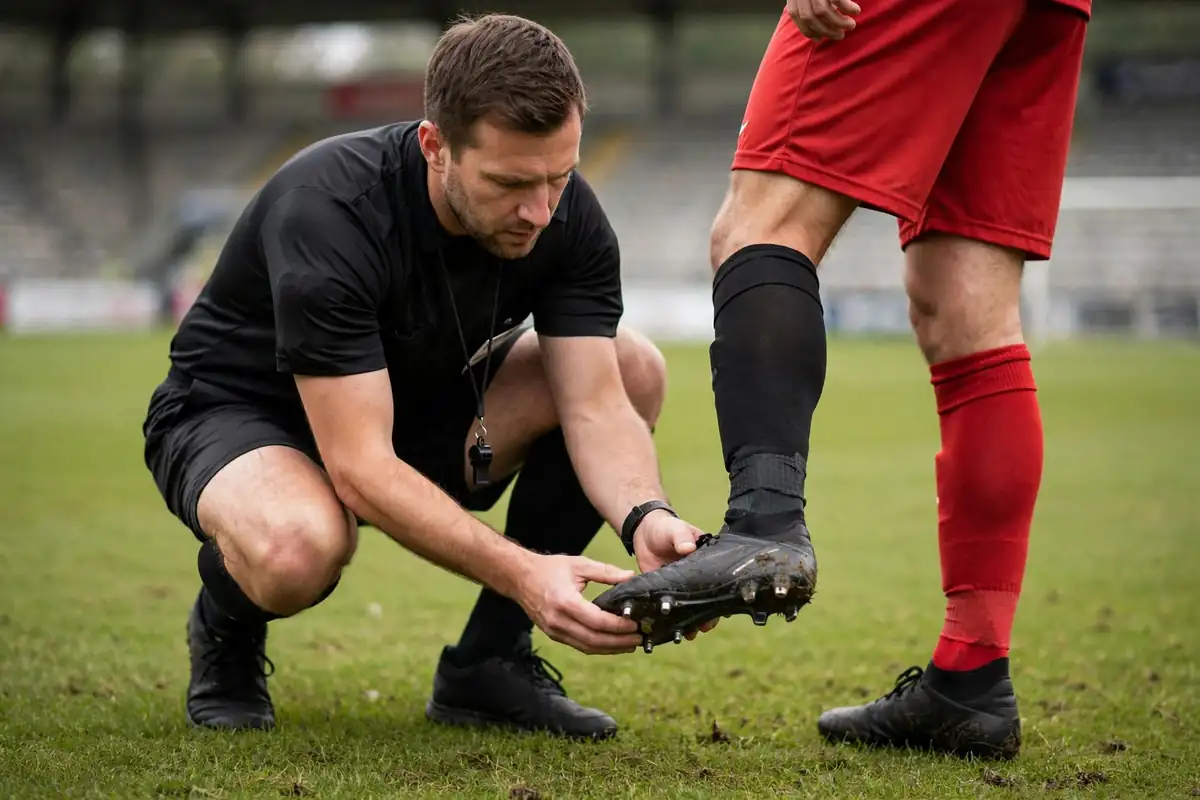
Before the match, the referee or a match official inspects players’ equipment, including boots. Substitutes are checked before entering too. They look for anything dangerous: worn studs with sharp edges, cracked soles, or loose studs.
If something fails the check, the referee orders the player to remove or fix the item. The player must leave the field to correct the equipment and can only return once the referee is satisfied — and re-entry happens at a stoppage in play. This is not a punishment; it is a safety procedure. The same process covers other gear, which is why it helps to know the shin guard rules and jewellery rules in football as well.
Are Metal Studs Allowed in Football?
This is the question that causes the most confusion, so here is the clear answer: yes, metal studs are allowed. There is no law banning them. Professional players wear screw-in metal studs on soft, wet pitches every single week.
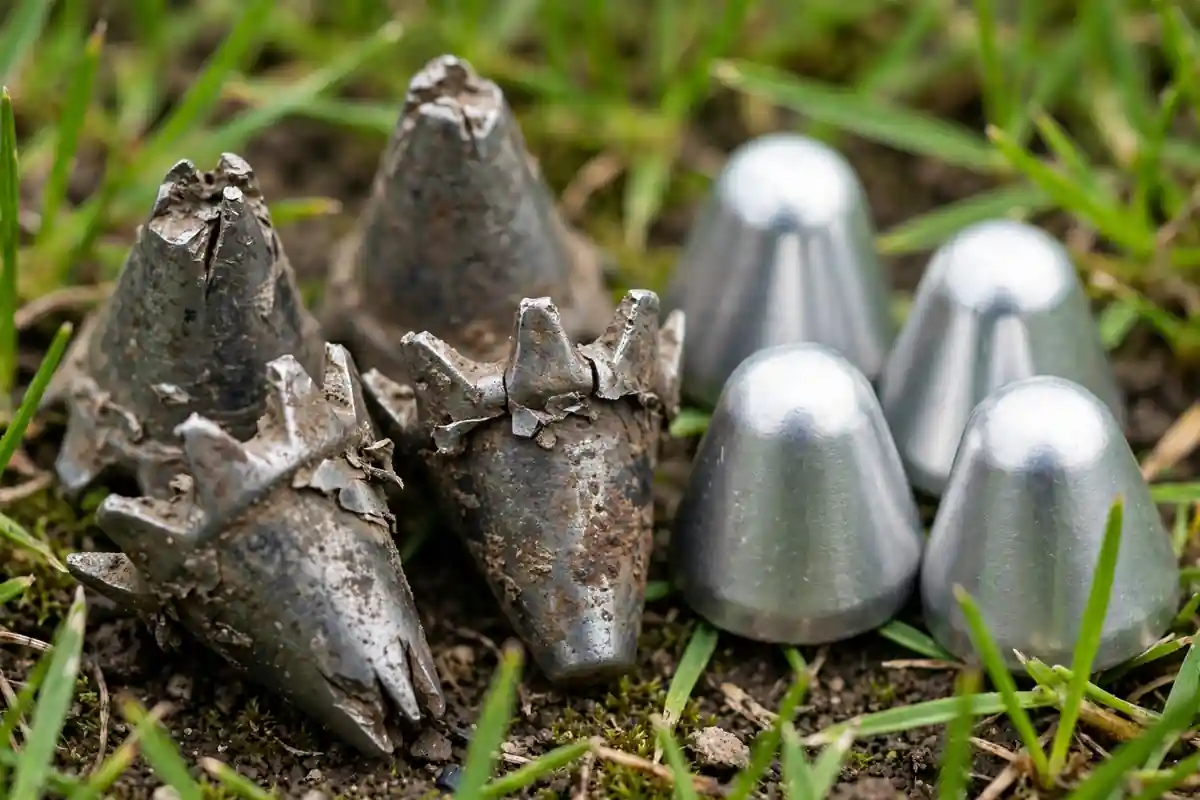
The confusion comes from the “dangerous equipment” rule. Metal studs are only a problem when damaged — sharp burrs from wear, or a bent stud. Well-maintained metal studs are not dangerous, and referees allow them without hesitation.
So when people ask “are metal studs allowed,” the answer has two parts: metal or aluminium screw-in studs in good condition with smooth, rounded edges are fine; worn, chipped, or sharpened studs — or anything the referee judges dangerous — are not.
One more restriction: never wear metal studs on artificial grass. They tear up synthetic surfaces, and most 3G/4G venues ban them as part of their ground regulations. Matching boots to the surface matters as much as the football field dimensions you play on.
Firm Ground vs Soft Ground Boots: Matching Studs to the Surface
Wearing the wrong boots for the surface is how injuries happen. Here is a simple breakdown of the main boot types:
- Firm Ground (FG): Moulded plastic or rubber studs, conical or bladed. The all-rounder for dry or slightly damp natural grass — where most amateurs should start.
- Soft Ground (SG): Fewer, longer screw-in studs, often metal. Built to dig into wet, muddy pitches.
- Artificial Grass (AG): Shorter, hollowed-out studs for synthetic surfaces. They spread pressure and protect your joints and the pitch.
- Turf (TF): Small rubber nubs for hard ground or indoor surfaces. Never use long studs here.
- Moulded studs: Permanently fixed plastic studs. Comfortable, low-maintenance, and the safest default — especially for young players.
The golden rule of firm ground vs soft ground boots: metal screw-ins for soft, muddy grass; moulded for everything else. Wearing long metal studs on hard ground is dangerous because they cannot penetrate the surface — your foot locks while your body keeps moving, which is how knee and ankle injuries happen.
Are Blades Allowed in Football?
Bladed studs — elongated, fin-shaped studs rather than round conical ones — are legal under Law 4, which bans dangerous equipment rather than specific shapes. But they sit in a grey area: many artificial-turf venues ban blades because they can cut synthetic fibres, and some referees view worn blades with suspicion since a chipped edge can be sharp. On natural grass, blades are widely used and rarely questioned. If your league plays mostly on 3G pitches, check venue rules first — conical moulded studs are never controversial.
What Referees Check Before Kickoff
The pre-match equipment check is quick but thorough. Officials look for:
- Stud condition — no sharp edges, burrs, or cracked plastic.
- Studs firmly attached — loose screw-ins are a red flag.
- Sole integrity — no split soles or exposed plates.
- Right footwear for the surface — metal studs on a 3G pitch will be rejected.
For youth football, referees are stricter. Most will insist on moulded plastic boots for children and will not allow metal studs at all, since young players are less controlled in tackles and the injury risk is higher.
Can You Change Boots During a Match?
Yes. If a stud breaks or the weather changes the pitch, you can change your footwear mid-game. Wait for a stoppage, leave the field, and let the referee check the new boots before you re-enter. You cannot run off and back on while the ball is in play — the referee must give permission for you to return.

What Happens If You Lose a Boot During Play?
It happens more often than you think — a boot comes off in a tackle. The law is practical: you may keep playing briefly and do not have to freeze on the spot. Put the boot back on as soon as reasonably possible — in practice, at the next stoppage. A goal scored while a player is accidentally missing a boot still counts.
Common Boot Mistakes That Get Players Ordered Off
Referees do not show cards for boot problems — but they will order you off the field until you fix the issue, leaving your team short-handed. Avoid these:
- Turning up in metal studs for a 3G pitch match.
- Wearing old screw-ins with sharp, burred edges.
- Blades at a venue that bans them.
- Trying to play in running shoes on a wet grass pitch — no grip, and the referee may judge them unsuitable.
- Ignoring a loose stud instead of tightening it before kickoff.
A two-minute stud check before you leave home saves an embarrassing trip to the touchline.
Real Match Case Study: The Bladed-Boot Controversy
Few equipment debates have divided football like the one over bladed boots in the mid-2000s. At the time, England’s biggest stars were suffering a frightening run of metatarsal injuries: David Beckham broke his second metatarsal in April 2002 after a tackle from Deportivo La Coruña’s Aldo Duscher, leaving him touch-and-go for that summer’s World Cup; Wayne Rooney broke his in April 2004 against Chelsea, and again on the eve of the 2006 World Cup. As the injuries piled up, doctors, coaches, and journalists began asking whether the new bladed studs — long, fin-shaped blades replacing traditional round studs — were partly to blame, arguing that blades locked the foot into the turf instead of releasing under twisting forces.
The debate reached the very top of the game. Sir Alex Ferguson was widely reported to have discouraged — and at times effectively banned — bladed boots among his Manchester United players, preferring traditional conical studs. Football’s medical voices joined in: around 2008, the game’s medical chiefs publicly raised concerns about stud design and foot injuries, pushing manufacturers to prove their boots were safe.
No law was ever changed to ban blades — under Law 4, only “dangerous” equipment is prohibited, and the referee remains the judge. But the episode perfectly illustrates how boot rules work in practice: there is no approved list of stud shapes, only the referee’s safety judgment. And that judgment is exercised every single weekend, when officials order players with worn, burred metal studs back to the dressing room to change. The lesson from the blade era still stands: legal does not always mean sensible, and the safest boot is a well-maintained one matched to the surface.
Frequently Asked Questions
Are metal studs allowed in football?
Yes. Metal screw-in studs are legal under IFAB Law 4 as long as they are not dangerous — meaning no sharp edges, burrs, or damage. The referee inspects them before the match and has the final say. They are ideal for soft, wet grass but must never be worn on artificial turf.
Can you wear blades on artificial grass?
Usually no. Blades are legal under the Laws of the Game, but most 3G and 4G venues ban both blades and metal studs because they damage synthetic surfaces. AG-specific boots are the safe choice — always check the ground regulations first.
Do goalkeepers have different boot rules?
No — the same Law 4 footwear rules apply. In practice, many goalkeepers prefer soft-ground metal studs for maximum grip when diving and pushing off on wet pitches, but they face the exact same referee inspection as outfield players.
What football boots should children wear?
Moulded plastic boots (firm ground) are the best and safest choice for children. They need no maintenance, work on most grass pitches, and referees in youth football generally prefer — and sometimes require — them over metal studs.
Can a referee ban my boots even if they are brand new?
Yes. The referee’s decision on dangerous equipment is final. Even new boots can be rejected — metal studs on an artificial pitch, for example, or a sole design the referee considers unsafe. Bring a backup pair if you are unsure.
Conclusion: Key Takeaways
- Footwear is compulsory under Law 4, and the only universal test is safety: nothing dangerous may be worn.
- Metal studs are allowed when in good condition — the myth that they are banned is one of football’s most persistent misunderstandings.
- Match your boots to the surface: screw-in soft-ground studs for mud, moulded firm-ground for dry grass, AG boots for synthetic pitches — and never metal on 3G.
- The referee inspects and decides. Keep your studs smooth and tight, and you will pass every time.
- You can change boots mid-match and play on briefly if a boot comes off — the laws are written with common sense.
For the full equipment laws, see the official IFAB Laws of the Game.
