Football Golden Goal Rule: History, Famous Goals & Why It Was Abolished
No — the golden goal rule is no longer used in football. It was a sudden-death tiebreaker used between 1993 and 2004: if a knockout match was level after 90 minutes, the first team to score in extra time won instantly, and the referee ended the game on the spot.
FIFA introduced it hoping for more attacking football and fewer penalty shootouts. Instead, teams became terrified of conceding and played ultra-defensively. In February 2004, the IFAB abolished both the golden goal and its short-lived cousin, the silver goal rule.
Still, the era gave us legendary moments: Oliver Bierhoff’s Euro 1996 winner, Laurent Blanc’s 1998 World Cup strike, and David Trezeguet’s Euro 2000 final goal. This guide covers the full golden goal football history — what it was, the famous goals, and why it was abolished.

What Was the Golden Goal Rule?
The golden goal was simple: in a knockout match tied after 90 minutes, two 15-minute periods of extra time were played. The moment either team scored, the match ended immediately — no chance for the other team to equalise. One goal, game over.
FIFA chose the name “golden goal” because the traditional term “sudden death” sounded too negative. The idea was to make extra time decisive and reduce the number of matches settled by the perceived lottery of a penalty shootout. On paper, both teams had a huge incentive to attack.
In practice, the fear of instant defeat proved far stronger than the desire to win quickly — and that mismatch is the heart of this story.
Golden Goal Football History: Older Than You Think
Sudden Death in the 1860s
The concept did not start with FIFA. England’s Youdan Cup of 1867 — the first known organised inter-club football tournament — used sudden death: if scores were level after 90 minutes, the first team to score in extra time won. It was used for real on 23 February 1867, when Norfolk FC beat Broomhall FC 1–0.
A year later, the Cromwell Cup used the same idea under Sheffield Rules. Its 1868 final at Bramall Lane was settled by a sudden-death goal from a new club called The Wednesday — now Sheffield Wednesday.
FIFA Introduces the Golden Goal (1993)
FIFA formally introduced the golden goal in 1993, first trialling it in youth competitions. The first recorded one came on 13 March 1993, when Australia’s Anthony Carbone scored against Uruguay in a World Youth Championship quarter-final.
It soon reached the biggest stages. The first European Championship played under the rule was Euro 1996 — and its final produced the most iconic golden goal of all. The first World Cup played with the rule was France 1998.
Famous Golden Goals That Defined an Era
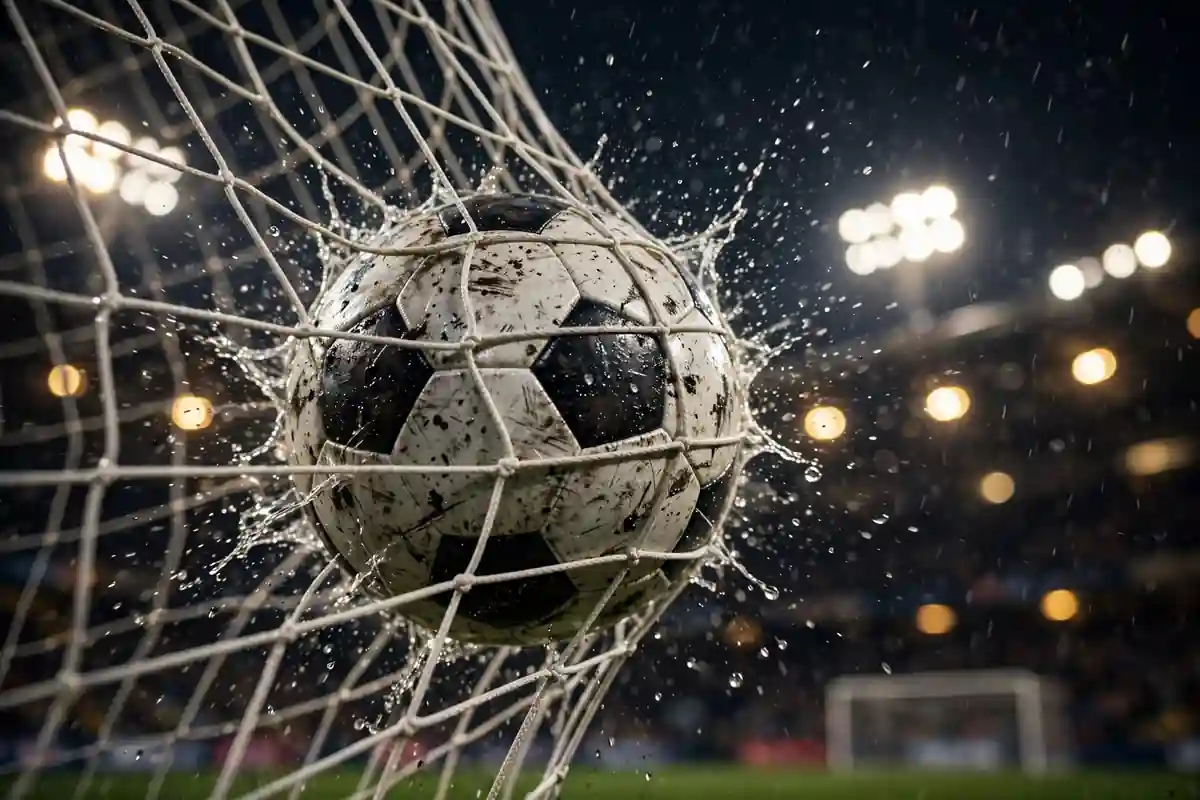
A handful of strikes turned the golden goal from a rulebook experiment into football folklore:- Oliver Bierhoff, Euro 1996 final (Germany vs Czech Republic): The first major international final decided by a golden goal — his extra-time strike made Germany champions and showed the world sudden-death football.
– Laurent Blanc, 1998 World Cup (France vs Paraguay): The first golden goal in World Cup history, in the 114th minute of a tense round-of-16 tie.
– David Trezeguet, Euro 2000 final (France vs Italy): A stunning extra-time volley — the most cinematic golden goal ever.
– Ahn Jung-hwan, 2002 World Cup (South Korea vs Italy): A 117th-minute header that sent the co-hosts into the quarter-finals.
– Ilhan Mansiz, 2002 World Cup (Turkey vs Senegal): The last golden goal in men’s World Cup history, sealing Turkey’s semi-final place.
– Nia Künzer, 2003 Women’s World Cup final (Germany vs Sweden): A 98th-minute header — the last golden goal in any World Cup.
There was a stranger chapter too. In a 1994 Caribbean Cup qualifier, Barbados deliberately scored an own goal to force extra time, because that tournament’s bizarre rules counted golden goals double toward goal difference — then won in extra time and qualified.
The Silver Goal Rule: A Softer Experiment (2002–2004)
When criticism of the golden goal grew, UEFA tried a compromise for the 2002–03 season: the silver goal rule. The match no longer ended the instant a goal was scored — instead, a team leading at the end of the first 15-minute extra-time period was declared the winner, giving the trailing side the rest of that period to fight back.
It never captured the imagination. Exactly one international match was ever decided by it: the Euro 2004 semi-final between Greece and the Czech Republic, when Traianos Dellas scored in the final seconds of the first extra-time period. Cruelly for the Czechs — famous for comebacks in that tournament — no time remained to respond. It was also Dellas’s only goal for Greece.
Why Golden Goal Was Abolished
By 2004, the verdict was clear. Four problems killed it:
- It made football more defensive, not less. Terrified of conceding a match-ending goal, teams sat deeper and coaches substituted for stability rather than creativity. Extra time froze instead of coming alive.
- There was no way back. Concede once — even to a deflection or a set-piece scramble — and the whistle blew. Losing players felt erased rather than beaten.
- It could feel random. Should a World Cup campaign end on a pinball deflection in the 117th minute? Many fans loved the drama but questioned the justice.
- It created confusion. Different competitions used the golden goal, the silver goal, or neither, leaving players and fans unsure which extra-time rules applied.
In February 2004, the IFAB announced that both the golden goal and silver goal would be removed from the Laws of the Game after Euro 2004. Since the 2006 World Cup, knockout matches have used the classic format again.
What Happens Now When a Knockout Match Is Tied?
Today the procedure is straightforward: if a knockout match is level after 90 minutes, teams play the full 30 minutes of extra time — two complete 15-minute halves, no matter how many goals are scored. Still level? A penalty shootout decides it.
Football has simplified other tiebreakers too — UEFA scrapped the away goals rule in 2021. Explore more in our football rules guides.
The Legacy of the Golden Goal
The rule is gone, but its shadow remains. Commentators still call dramatic late winners “golden goals,” even though the rule has nothing to do with them.
The era also taught football a lasting lesson about incentives: rules change fear, courage, and tactics — not just outcomes. A rule designed to create attacking football produced caution instead.
Could it ever return? The idea occasionally resurfaces for youth tournaments or experimental formats. But the modern game, with its tactical discipline and enormous stakes, would likely respond the same way it did before — with caution dressed as professionalism.
Real Match Case Study: Zidane’s Golden-Goal Penalty — Euro 2000 Semi-Final
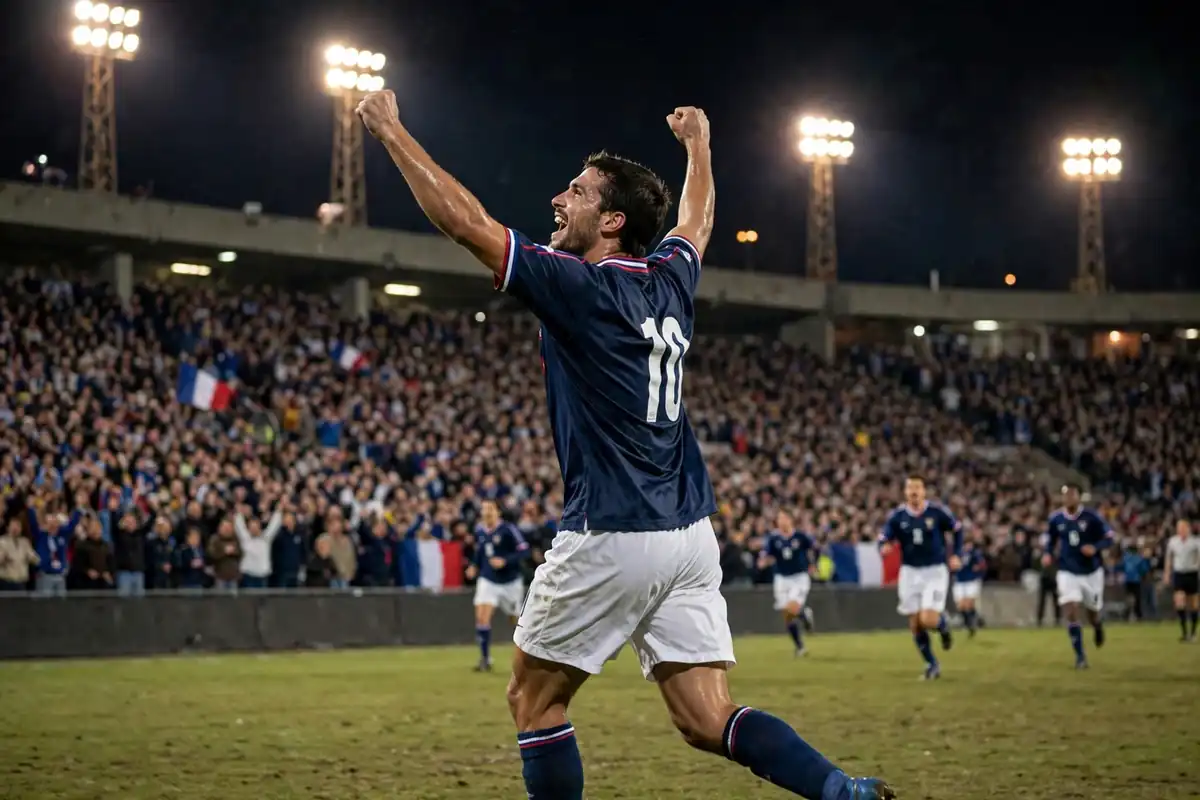
The golden goal’s cruelty was never clearer than on 28 June 2000, when France met Portugal in the European Championship semi-final at the King Baudouin Stadium in Brussels. After 90 minutes the score was 1–1: Nuno Gomes had given Portugal a 19th-minute lead, and Thierry Henry equalised six minutes into the second half.
Under the golden goal rule, the next goal would end the match instantly. In the 117th minute, Sylvain Wiltord’s goalbound effort struck the arm of Portugal defender Abel Xavier inside the penalty area. Austrian referee Günter Benkö pointed to the spot. Zinédine Zidane stepped up and buried the penalty — golden goal, game over, France through to the final 2–1.
The Portuguese reaction was furious. Players surrounded the referee, convinced the handball decision was harsh, and several — including Xavier, Nuno Gomes and Paulo Bento — later received lengthy international bans for their protests. Whether or not the penalty was correct, the episode captured everything critics hated about the rule: a whole tournament campaign ended by a single debatable call in the 117th minute, with no chance to respond.
France went on to beat Italy in the final — thanks to David Trezeguet’s golden-goal volley, no less. Within four years, the IFAB had abolished the rule entirely, citing exactly the kind of injustice Portugal felt that night in Brussels: one moment, no way back.
Frequently Asked Questions
Is the golden goal still used in football today?
No. It was removed from the Laws of the Game in 2004 and has not been used in any World Cup since 2002 (men’s) or 2003 (women’s). US college soccer abolished it in 2022 but reinstated it for post-season play in 2024.
What is the difference between the golden goal and the silver goal rule?
Under the golden goal, the match ended the instant a team scored in extra time. Under the silver goal rule (2002–2004), play continued until the end of the first 15-minute extra-time period — a team leading at that point was declared the winner, giving the trailing side a small window to equalise.
Why was the golden goal abolished?
It failed its own objective. Instead of encouraging attacking play, it made teams more defensive, because the fear of instant elimination outweighed the reward of scoring quickly. It also felt harsh and sometimes random, denied teams any chance of a comeback, and created confusion as different competitions used different extra-time rules. The IFAB removed it in February 2004.
Who scored the most famous golden goals?
Oliver Bierhoff (Euro 1996 final), Laurent Blanc (1998 World Cup), and David Trezeguet (Euro 2000 final) are the three most iconic. Also legendary: Ahn Jung-hwan’s 2002 winner for South Korea against Italy, Ilhan Mansiz’s strike for Turkey against Senegal, and Nia Künzer’s header in the 2003 Women’s World Cup final — the last golden goal in World Cup history.
What happens in extra time now instead of the golden goal?
Teams play two full 15-minute periods regardless of goals scored. If the match is still tied after 120 minutes, a penalty shootout decides it. See our guide to football extra time rules.
Conclusion
The golden goal rule burned brightly and briefly: introduced by FIFA in 1993, immortalised by Bierhoff, Blanc, and Trezeguet, softened into the silver goal experiment, and abolished by the IFAB in 2004. It promised drama and delivered it — but at the cost of fairness, attacking football, and the comeback.
Want to understand the rules behind the drama? Start with our football rules guides or learn more about GameGuidelines.
